Peter Obi’s Position Exposes Nigeria’s Worsening Infrastructure Crisis, Especially in the South East
The recent statement by former Anambra State Governor, Peter Obi, has once again drawn national attention to the deplorable state of Nigeria’s road infrastructure. His call for government to prioritize the rehabilitation of existing roads over the announcement of new projects underscores the daily hardship millions of Nigerians endure, particularly in the South East.
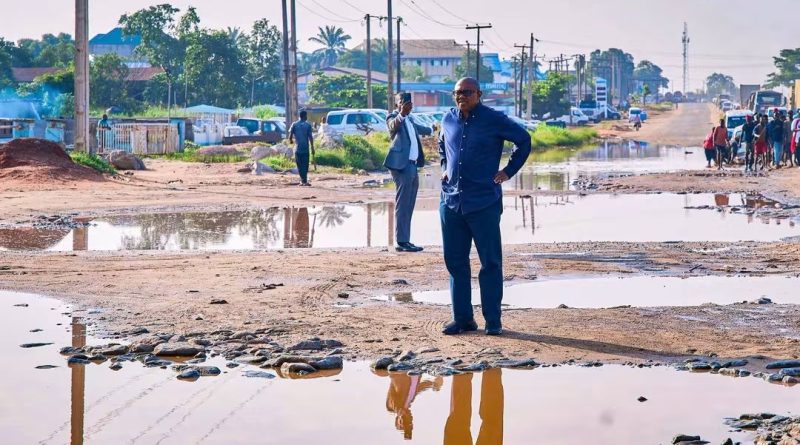
Obi identified the Asaba Benin Expressway as a strategic economic corridor linking several southern states to Lagos. Yet, despite its importance, the road has deteriorated into a nightmare for commuters, transporters and businesses. The same pattern of neglect is evident across many federal roads in the South East, where critical highways have become death traps, slowing economic activities and increasing transportation costs.
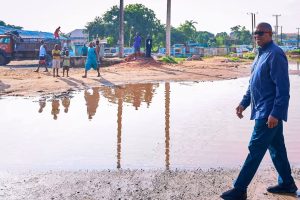
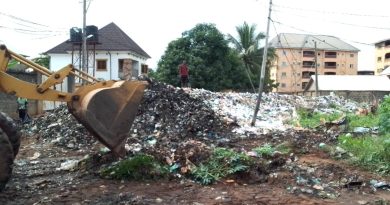
Roads such as the Enugu Onitsha Expressway, Onitsha Owerri Road, Enugu Port Harcourt Expressway, Umuahia Ikot Ekpene Road and several other federal highways across the region remain in poor condition despite repeated promises of rehabilitation. These failed roads have continued to claim lives, discourage investment and isolate communities that depend on them for commerce and agriculture.
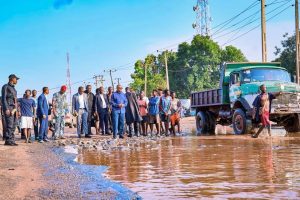
Peter Obi’s position raises fundamental questions about the Federal Government’s infrastructure priorities. While billions of naira are announced for new road projects across the country, many existing highways that serve as the backbone of Nigeria’s economy remain abandoned. For residents and businesses in the South East, the neglect has become a symbol of decades of inadequate federal attention to critical infrastructure.
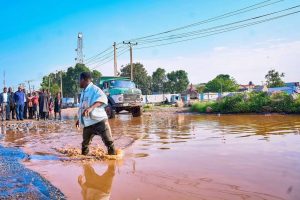
A functional road network is not a political luxury but an economic necessity. Until the government demonstrates genuine commitment to reconstructing and maintaining existing federal roads, especially those connecting the South East to other parts of Nigeria, promises of new infrastructure projects will continue to ring hollow. The condition of these roads remains a clear measure of the government’s commitment to national development and equitable infrastructure delivery.