
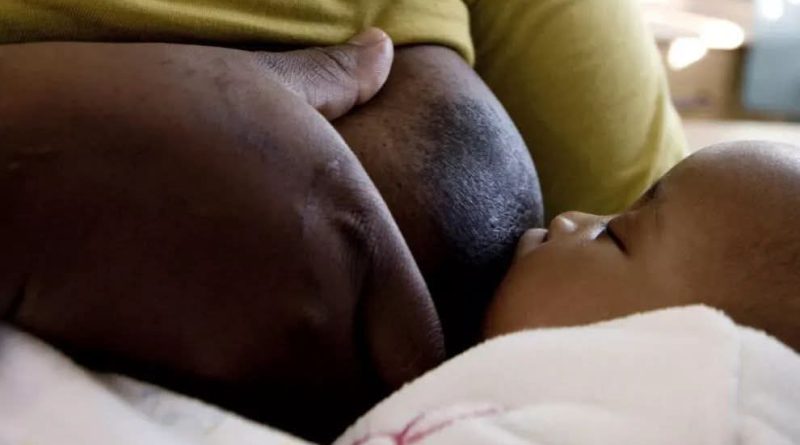
Paediatricians warn breastfeeding mothers against alcohol consumption
Paediatricians have warned breastfeeding mothers against alcohol consumption, saying it can reduce breast milk production and expose infants to alcohol through breast milk.
The experts said reduced milk production and milk let down could result in babies receiving less breast milk, potentially affecting their appetite, nutrition, weight gain and overall development.
Head of Paediatrics at the Federal Teaching Hospital, Katsina, Dr Abdurrazzaq Alege, said alcohol passes into breast milk and that the level of exposure depends on the amount and frequency of alcohol consumed by the mother.
He explained that alcohol could interfere with milk production and the milk ejection reflex, leaving an infant sucking without receiving adequate milk.
Alege also said alcohol exposure could reduce an infant’s appetite for breast milk and, when prolonged, contribute to poor weight gain, failure to thrive, stunting and wasting.
Another paediatrician, Dr Muhammed Jamiu Yusuf of the University of Ilorin Teaching Hospital, said alcohol could alter the quantity and composition of breast milk while exposing the infant to the substance.
Yusuf warned that alcohol exposure could affect an infant’s sleep and developing nervous system, noting that the developing brain is particularly vulnerable as neural connections are still being formed.
He said repeated exposure could potentially affect normal growth and neurological development.
The paediatricians therefore advised breastfeeding mothers to avoid alcohol, particularly during the period when infants depend heavily on breast milk for nutrition.
The World Health Organisation recommends exclusive breastfeeding for the first six months of life and states that alcohol can reduce milk yield and interfere with the milk ejection reflex.
According to the 2024 Nigeria Demographic and Health Survey, only 29 per cent of infants below six months are exclusively breastfed in Nigeria.
The Federal Ministry of Health and Social Welfare has also identified breastfeeding as a public health priority and continues to recommend exclusive breastfeeding during the first six months of life.