Lagos Residents Lament Uncollected Refuse As Waste Heaps Undermine Monthly Sanitation Exercise
By Ichie Times
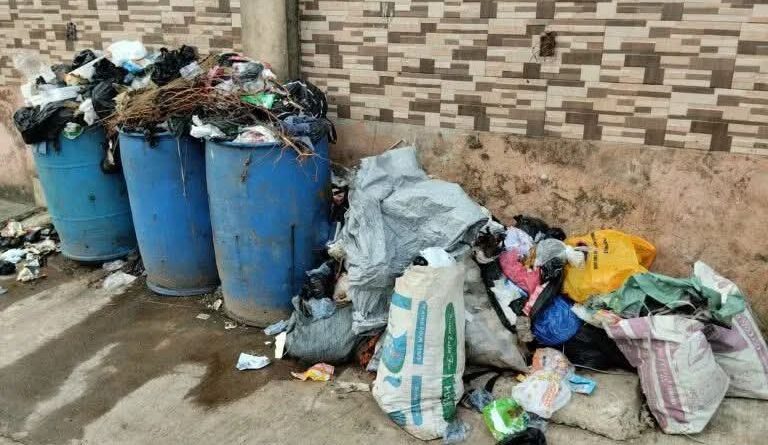
Residents in parts of Lagos State have expressed frustration over the failure to evacuate refuse that has accumulated for weeks, warning that the situation is undermining the state government’s renewed monthly environmental sanitation exercise and worsening public health risks during the rainy season.
The residents spoke as they participated in the sanitation exercise on Saturday, clearing their surroundings, roads and drainage channels across parts of Alimosho and Surulere, while appealing to the Lagos State Government and relevant waste management authorities to ensure the prompt evacuation of the refuse generated.
The News Agency of Nigeria, NAN, reports that Lagos State resumed its monthly environmental sanitation exercise on April 25, 2026, after a nearly 10 year break. The exercise holds on the last Saturday of every month between 6:30 a.m. and 8:30 a.m., with restrictions on movement during the period.
However, residents in areas including Akiwowo, Apatira, Alaguntan, Masha, Lawanson, Kilo and Ogunlana said the presence of uncollected refuse had left many frustrated, as waste cleared during sanitation exercises often remained at collection points for weeks.
A resident of Apatira Street, Shola Aboro, said residents had continued to do their part by cleaning their surroundings but urged the authorities to complement their efforts by ensuring the timely evacuation of waste.
He said it was discouraging for residents to clear refuse from their surroundings only for it to remain unattended or find its way back into gutters and drainage channels.
Another resident, who identified herself as Mummy Daniel, said the situation could discourage residents from participating in future sanitation exercises, especially when waste collection services paid for by residents were not provided regularly.
In Surulere, residents expressed similar concerns, saying the ongoing rains had worsened the situation as refuse heaps obstructed drainage channels, produced offensive odours and created stagnant water capable of breeding mosquitoes.
A resident of Masha, Mrs Bose Akinyemi, said some refuse heaps had remained unattended for weeks despite repeated complaints.
She warned that when rainfall washes the waste into drainage channels, it could worsen flooding and create serious health concerns for residents.
Another resident, Adewale Baruwa, said the combination of stagnant water, refuse and rainfall had led to an increase in mosquitoes around homes, raising concerns about the health of children and other vulnerable residents.
Mrs Funke Sulaimon of Kilo said some residents had been forced to pay cart pushers to evacuate their waste because waste collection trucks were not coming regularly.
She urged the government to improve the frequency of waste evacuation, stressing that residents could not continue to keep refuse in their homes for weeks.
A commercial motorcyclist, Ambrose Udeh, said he participated in the sanitation exercise before heading out to work, adding that both residents and the government must play their respective roles in keeping Lagos clean.
“If we do our part and the government does its own part, our state will be clean,” he said.
NAN observed that many residents cleaned their surroundings and drainage channels during the exercise, while commercial activities remained low in compliance with the movement restriction.
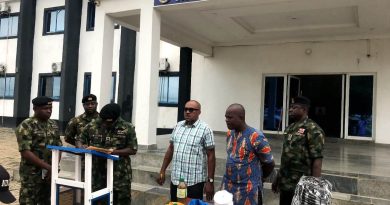
Officials of the Kick Against Indiscipline were also seen monitoring compliance with the sanitation directive.
The residents called for improved waste collection and closer monitoring of waste management services, stressing that regular evacuation of refuse must accompany environmental sanitation efforts if the state is to achieve a cleaner and healthier environment.
Lagos State reintroduced the monthly environmental sanitation exercise as part of efforts to improve environmental hygiene and restore a culture of regular community sanitation across the state.