Fear of Juju Oaths Still Shields Nigerian Traffickers in Europe, Spanish Investigator Says
By Prosper Okoye
Fear of traditional oath taking rituals, commonly referred to as juju oaths, continues to discourage many Nigerian women trafficked to Europe from testifying against their traffickers, making it harder for authorities to dismantle human trafficking networks.
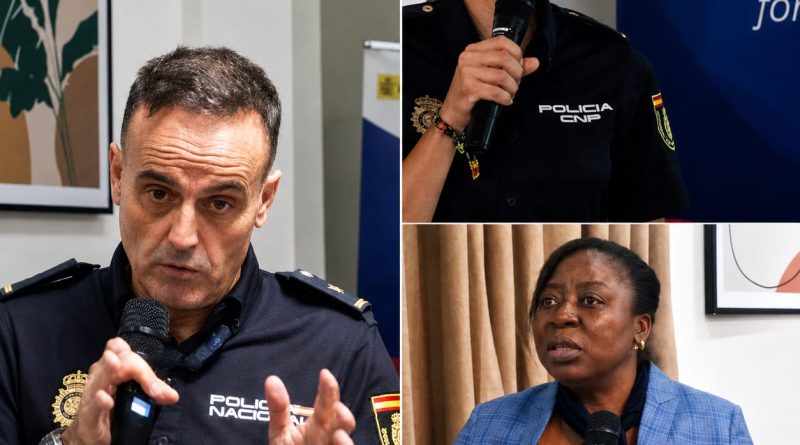
This was disclosed by Javier Leon, Deputy Team Leader at FIAP and Chief Inspector of the Spanish National Police, during a four day workshop on strengthening Nigeria Spain cooperation against trafficking in persons and migrant smuggling.
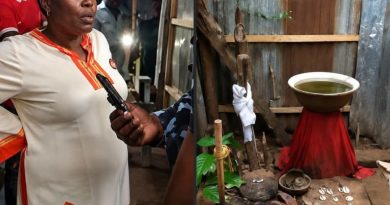
Leon explained that before many victims are taken to Europe, traffickers subject them to traditional oath taking ceremonies designed to instill fear and ensure obedience.
He noted that although these rituals may not be well understood by European investigators, they have a lasting psychological effect on victims, who fear that breaking the oath could bring harm to themselves or their families.
According to him, the fear often remains even after victims are rescued and placed under police protection, making them unwilling to provide testimony that could help prosecute traffickers. Spanish authorities, he said, offer legal protection and other forms of support, but many survivors still refuse to cooperate because of the deep psychological control exerted by the traffickers.
Leon, who has spent more than a decade investigating trafficking networks in Spain’s Canary Islands, described human trafficking as one of the most profitable crimes linked to organised criminal groups operating between West Africa and Europe. He said many young Nigerian women are lured with promises of jobs, education and better opportunities before being forced into sexual exploitation.
He identified trusted relatives, friends, neighbours, former victims and sometimes religious figures as key recruiters used by traffickers to gain the confidence of vulnerable women.
He also pointed to Edo State, particularly Benin City, as one of the major source areas for victims trafficked to Europe.
The Spanish investigator further revealed that trafficking methods are changing, with criminal networks increasingly using forged documents, fraudulent visas and commercial flights instead of dangerous routes through the Sahara Desert and the Mediterranean Sea.
Also speaking, Police Inspector Carman González of the Spanish National Police said investigators have adjusted their methods because many victims are unwilling or unable to testify.
She explained that authorities now rely heavily on financial records, travel documents, company registrations, phone records, social media activity, surveillance operations and intercepted communications to build criminal cases.
González added that traffickers often target people already facing poverty and hardship and sometimes force victims to recruit other women as a way of reducing debts imposed by the criminal networks, allowing the cycle of exploitation to continue.
A prosecutor with Nigeria’s Federal Ministry of Justice, Becky Jibo, said Nigeria provides legal safeguards, including witness protection, for victims willing to testify. González, however, explained that international legal procedures require approval from Spanish courts before protected witnesses can testify in Nigeria, and participation must be voluntary.
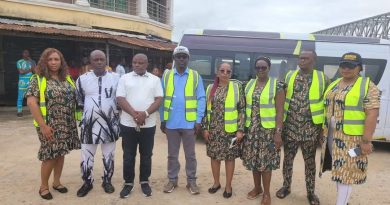
The workshop was organised under the EU Support to Migration Governance Project in Nigeria and brought together law enforcement officials from Nigeria and Spain to strengthen international cooperation, intelligence sharing and victim protection in the fight against human trafficking and migrant smuggling.