
Enugu Assembly Passes Landlord and Tenant Amendment Bill, Caps Rent Increase at 2%
By Chibuzo Obidike | IchieTimes
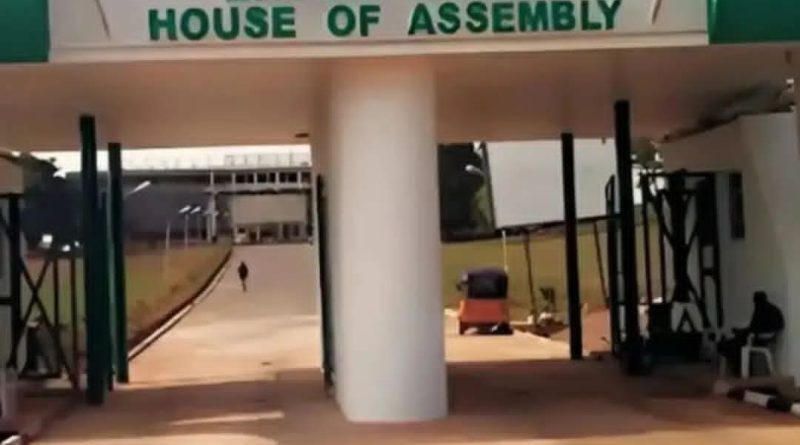
The Enugu State House of Assembly has passed an amendment to the state’s Landlord and Tenant Law, proposing a four-year interval for rent increases and limiting the increment to two per cent of the current rent.
The bill was passed on Tuesday, November 17, 2026, following its third reading and consideration of a report presented by the House committee established to review the legislation.
The committee comprised members of the House Committees on Housing and Investment, Public Petition, Ethics and Privileges, and Judiciary.
The motion for consideration of the report was moved by the member representing Nkanu West Constituency, Iloabuchi Aniagu, and seconded by the member representing Awgu North Constituency, Jane Eneh.
Presenting the report, the committee chairman and member representing Nkanu East Constituency, Okey Mbah, said the committee had undertaken extensive consultations with relevant stakeholders.
Mbah said the proposed amendment was designed to curb the exploitation of tenants, adding that it would reduce by more than 60 per cent the amount residents previously paid in efforts to secure accommodation in the state.
Under the proposed provisions, landlords would only be permitted to increase rent after four years, with the increment not exceeding two per cent of the existing rent.
However, where a landlord undertakes reasonable renovation of a property, the permitted increase would not exceed 10 per cent.
Following the presentation of the report, the House dissolved into the Committee of the Whole to consider the report and the bill before its eventual passage.
Speaking after the passage, the Speaker of the House, Uche Ugwu, said the legislation would usher in a new lease of life for tenants in Enugu State.
The bill, titled A Bill for a Law to Amend the Landlord and Tenant Second Amendment Bill, Cap 101, Revised Laws of Enugu State 2024, House Bill No. 3, 2025, passed second reading on March 11, 2026, and subsequently underwent a public hearing on March 26, 2026.
The bill now awaits the assent of Governor Peter Mbah before it can become law.