RULAAC Petitions AGF, Seeks Accountability for Forced Disappearances, Alleged Rights Violations In South East
Elochukwu Benjamin | Ichie Times
The Rule of Law and Accountability Advocacy Centre (RULAAC) has petitioned the Attorney-General of the Federation and Minister of Justice over alleged enforced disappearances, torture, prolonged detention without access to families and lawyers, custodial deaths and disputed prosecutions linked to security operations in Southeast Nigeria.
The organisation is demanding independent investigations into the allegations, the whereabouts of missing persons, and compliance with outstanding court judgments, including the Economic Community of West African States (ECOWAS) Court judgment in the case of Glory Okolie v Federal Republic of Nigeria.
In a petition dated October 28, 2026, RULAAC also called for investigations into allegations involving Wawa Barracks, relevant Department of State Services (DSS) facilities, Tiger Base in Owerri, the former Intelligence Response Team (IRT) facility in Abuja and other locations identified during investigations.
The petition draws on testimonies presented at a joint press conference organised by the Southeast Human Rights Bureau, the Oganihu Igbo Development Foundation and Intersociety in Enugu on October 17, alongside subsequent correspondence and supporting court documents.
According to RULAAC, survivors and relatives recounted years of searching for missing family members allegedly taken into custody by security personnel, transfers to distant detention facilities, denial of access to lawyers and relatives, serious injuries and uncertainty over the fate of their loved ones.
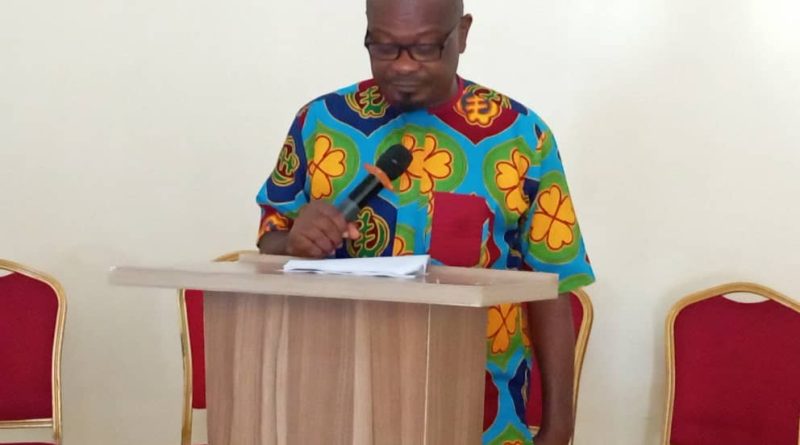
The organisation’s Executive Director, Okechukwu Nwanguma, said the government must demonstrate respect for the rule of law by ensuring that court judgments translate into effective remedies for victims.
“The Federal Government must demonstrate respect for the courts through compliance,” Nwanguma said, insisting that survivors should not be forced into prolonged struggles to obtain remedies after securing favourable judgments.
RULAAC recalled that the ECOWAS Court, on November 21, 2024, found violations of Okolie’s rights to personal liberty and a fair trial and ordered Nigeria to pay her N10 million in compensation, stop harassment and ensure non-repetition.
The organisation urged the Attorney-General to establish the implementation status of outstanding judgments, identify the agencies responsible for compliance and publish a timetable for fulfilling the relevant orders.
It said compliance should cover compensation, release or production orders, restitution, public apologies and measures to prevent a recurrence of abuses, where applicable.
The petition also highlighted the case of Agboje Gladys Ngozi, popularly known as Ngozichukwu Ada-Dav, who reportedly obtained a Federal High Court judgment in Abuja on October 6, 2023, awarding N30 million in compensatory and exemplary damages against the Nigeria Police Force and the Inspector-General of Police.
The court also ordered a public apology in a national newspaper and granted other reliefs. RULAAC said the judgment was reportedly yet to be implemented and asked the Attorney-General to confirm whether an appeal or stay of execution existed and ensure compliance with the operative orders where no lawful impediment applied.
Beyond the judgments, the organisation listed several missing persons whose cases require urgent clarification, including Chidiebere Echefu, Ifeanyi Thomas Arinze, Okechukwu Paul, Ozioma Elizabeth Onyeaka, Esther Okwudili Egbom, Abel Onyedikachi Ugwuoke, Ezugwu Paul Ejike and Chidiebere Christian Ugwu.
It also raised concerns over the reported disappearance of Chinyere Blessing Nwachukwu’s husband, allegations of family arrests and torture, and the reported death of Calista Ifedi at Wawa Barracks.
RULAAC called for the whereabouts, legal status and welfare of every person named in the petition to be verified, while urging authorities to provide families with reliable information about relatives who may still be in custody.
The organisation further requested an independent review of disputed convictions involving reported prison sentences of five, 20 and 40 years, as well as life imprisonment.
It said allegations that some defendants were pressured to plead guilty, denied effective legal representation or prosecuted after prolonged isolation from their families should be examined through the relevant court records, evidence, plea proceedings and judgments.
Nwanguma stressed that allegations of terrorism must not be used to undermine the rights of accused persons.
“A terrorism allegation does not extinguish the rights of an accused person,” he said, calling for prompt investigation of credible allegations of coercion, torture and denial of legal representation.
Among its demands, RULAAC called for the release, through appropriate lawful processes, of persons unlawfully detained and those whose release had been ordered by courts. It also sought prompt family contact, confidential access to independent lawyers, medical care and rehabilitation for survivors.
The organisation urged authorities to preserve custody registers, transfer records, medical files, court orders, CCTV footage, operational records and burial information that could help establish the fate of missing persons and investigate alleged abuses.
It also called for prosecution and disciplinary action where evidence establishes wrongdoing, including possible supervisory and command responsibility, alongside compensation, restitution and psychosocial support for victims.
RULAAC acknowledged the responsibility of security agencies to protect the public and investigate violent crime but maintained that such duties must be performed within the law and under effective oversight.
The organisation requested an initial written response from the Attorney-General within 14 days, while urging immediate intervention in cases involving medical emergencies, missing persons, unlawful detention and the possible destruction of evidence.
It said the proposed intervention should establish the truth about the allegations, ensure accountability where wrongdoing is proven and provide effective remedies for survivors.