

HIV response: Experts Identify Knowing Status As Nigeria’s Biggest Access Gap
By Chibuzo Obidike |Ichie Times
Medical experts have identified lack of knowledge of HIV status as one of the major gaps in Nigeria’s fight against the virus, even as advances in treatment have transformed HIV from a once deadly condition into a manageable chronic disease.
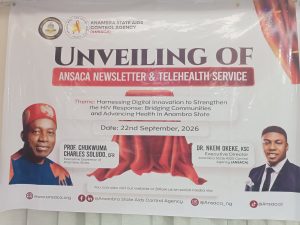
Speaking on Harnessing Digital Innovation to Strengthen the HIV Response in Anambra State, medical expert Dr Ifeoma Njelita said significant progress had been made in HIV treatment, with many people living with the virus and maintaining healthy, productive lives.
She said the challenge now is getting more people to test and know their status, noting that the next phase of the HIV response must focus on closing the access gap and taking services closer to communities.
According to her, technology can help bridge that gap, but people must remain at the centre of the response. She also called for greater local ownership of HIV programmes, particularly amid disruptions in international funding.
Dr Njelita said Anambra has an opportunity to strengthen its response through its 2026 to 2028 State Strategic Transformation and Sustainability Plan for HIV, which prioritises sustainable prevention, treatment, access and coordination, with young people and adolescents identified among priority populations.
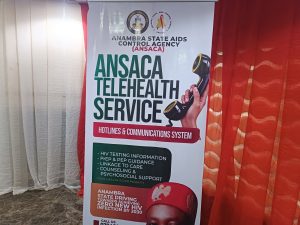
Chairman of the occasion, Sir Izuchukwu Nwabueze, said the new ANSACA telehealth service could help remove some of the barriers preventing residents from accessing HIV information and support. The service is expected to provide confidential counselling, reliable information and referrals to health facilities.
He also said ANSACA’s maiden newsletter would improve public awareness and accountability by documenting the agency’s programmes, partnerships, community interventions and progress in the state’s HIV response.
The experts stressed that digital innovation should complement community based healthcare efforts, helping more residents access reliable information, seek testing early and connect with appropriate care.