
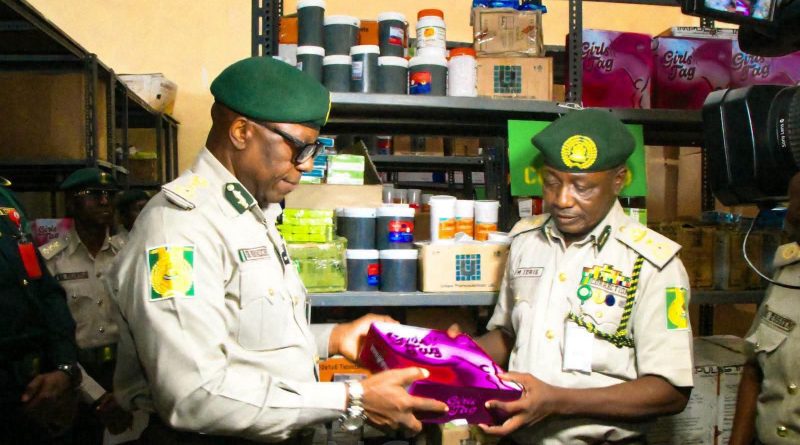
NCS Controller General, Nwakuche Prioritises Inmates’ Healthcare, Mental Wellbeing as Corrections Service Begins Second Phase Drug Distribution
By Nkiru Anakor
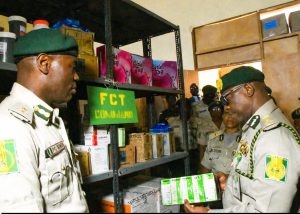
The Nigerian Correctional Service has commenced the second phase of its 2026 nationwide distribution of essential drugs and medical supplies to custodial centres, with the Controller General of Corrections, Mr Sylvester Ndidi Nwakuche, reaffirming the Service’s commitment to improving inmates’ healthcare and wellbeing.
Speaking at the flag off of the exercise on July 29, Nwakuche said the initiative was part of broader reforms aimed at providing humane custody, quality healthcare and effective rehabilitation for inmates in line with the Nigerian Correctional Service Act, 2019.
The Controller General said his administration was particularly focused on the healthcare needs of vulnerable inmates, including women and persons requiring mental health support.
He noted that female inmates require special attention because of their unique healthcare and sanitary needs, adding that the Service had prioritised menstrual hygiene management and the provision of gender specific sanitary materials to preserve their dignity and wellbeing.
Nwakuche also disclosed that efforts were being intensified to enrol inmates in the National Health Insurance Scheme to ensure sustainable access to quality healthcare across custodial facilities nationwide.
According to him, while some state governments have already enrolled inmates in their respective health insurance schemes, discussions are at an advanced stage to achieve nationwide coverage under the National Health Insurance Authority framework.
He explained that the quarterly distribution of essential medicines was designed to strengthen medical services, reduce the burden of diseases, improve mental health support and enhance the rehabilitation and reformation of inmates.
The Controller General expressed appreciation to President Bola Ahmed Tinubu for his support for ongoing correctional reforms and commended the Minister of Interior, Dr Olubunmi Tunji Ojo, for his continued interventions in improving healthcare and welfare within custodial centres.
Also speaking, the Assistant Controller General of Corrections in charge of Medical Services, Mrs Glory Essien, described the drug distribution as a major milestone in the Service’s healthcare reform programme.
Essien said the intervention would improve inmates’ access to essential treatment and help reduce the spread of epidemics and communicable diseases across custodial facilities.
She charged medical personnel and caregivers in all Commands to ensure that the medicines were used responsibly, ethically and strictly for their intended purpose.
The Assistant Controller General of Corrections in charge of Pharmacy, Mr Muhammed Bashir, said the Service had also established a monitoring and reporting system to track the distribution and utilisation of the drugs.
Bashir explained that the accountability framework was designed to promote transparency, prevent diversion and ensure that the medicines reach the inmates for whom they were procured.
The development reinforces the Correctional Service’s broader effort to shift from a custody centred approach to one that places greater emphasis on healthcare, rehabilitation, reformation and the successful reintegration of inmates into society.