FG Moves to Scrap JSS, SSS Separation to Reduce School Dropout Rate
The Federal Government has announced plans to phase out the separation of Junior Secondary School (JSS) and Senior Secondary School (SSS) as part of reforms aimed at tackling the country’s growing out of school children crisis.
The Minister of Education, Maruf Tunji Alausa, disclosed this on Tuesday during the inauguration of the Universal Basic Education Commission (UBEC) Ministerial Implementation and Monitoring Committee in Abuja.
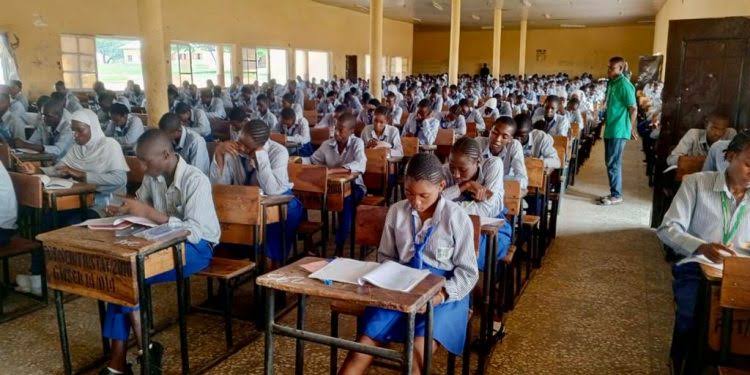
Alausa said the current arrangement, which separates JSS from SSS, has failed to achieve its objectives and contributed significantly to the high number of children leaving school before completing secondary education.
According to the minister, Nigeria has about 80,000 public primary schools but only about 15,000 junior secondary schools, creating a major transition gap that leaves millions of pupils without access to further education.
He said government records indicate that about 24 million children enrol in primary schools, but only about four million complete senior secondary education, leaving more than 20 million children dropping out before finishing secondary school.
Alausa noted that the existing policy has resulted in overcrowded junior secondary schools while many senior secondary schools remain underutilised. He added that the proposal to abolish the policy would be presented at the next meeting of the National Council on Education for formal consideration.
The minister also inaugurated a committee chaired by Rashid Aderinoye to fast track the completion, handover and operation of Smart Schools, Bilingual Schools and Alternative Schools funded by UBEC across the country.
He expressed concern that many completed education projects have remained unused despite substantial public investment, describing the situation as a waste of resources and a setback to expanding access to quality education.
Earlier, the Executive Secretary of UBEC, Aisha Garba, said 37 Smart Schools have been established nationwide, with 24 already in operation, while others are at various stages of completion. She added that the Alternative Schools Programme is helping to expand access to education for vulnerable and out of school children through flexible learning models.
The newly inaugurated implementation committee has been tasked with ensuring the timely completion, handover and effective utilisation of the education projects across the country.