Anambra Losing 30% Of Its Land To Erosion? Architects Demand New Approach To Urban Development
By Chibuzo Obidike | IchieTimes
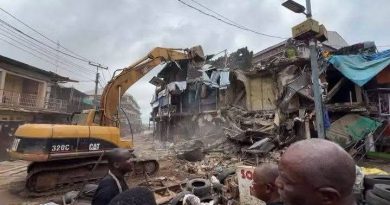
What happens when a state loses a significant portion of its land to erosion while its population and cities continue to grow? For architects in Anambra, the answer lies in rethinking how people build, how cities expand and how the remaining land is managed.
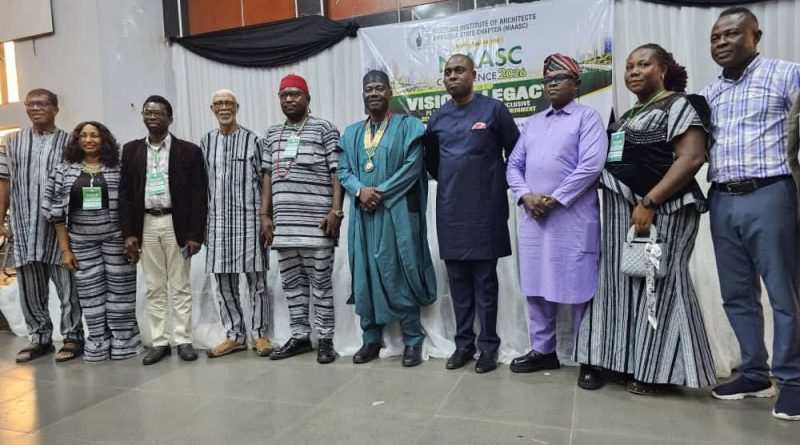
The concern took centre stage at the 2026 conference of the Nigerian Institute of Architects, Anambra State Chapter, where professionals called for sustainable construction, vertical development and improved urban planning to address the challenges facing the state.
Participants cited estimates that erosion has affected approximately 30 per cent of Anambra’s landmass, raising concerns about the long term implications for housing, infrastructure and future generations.
The President of the Nigerian Institute of Architects, Arc. Sani Saulawa, emphasised the need for greater public understanding of the architectural profession, noting that architects do more than design individual buildings. They also help shape cities, manage spaces and develop solutions to environmental challenges.
The Commissioner for Housing and Urban Development, Arch. Henry Arinze, urged architects to move beyond conventional residential designs, embrace sustainable practices and strengthen their business skills to remain relevant in a changing global economy.
In his keynote address, the Commissioner for Works and Infrastructure, Arch. Okey Ezeobi, called on professionals to adopt modern construction technologies, environmentally friendly materials and digital planning tools.
As land becomes increasingly scarce, participants also advocated vertical development and a review of outdated planning regulations to accommodate the state’s expanding urban centres.
The chapter’s Chairman, Arch. Ikenna Onuorah, and Vice Chairman, Arch. Obianuju Jonas, commended Governor Chukwuma Soludo for appointing qualified professionals to key government positions, stressing the importance of professional expertise in achieving the state’s development objectives.
The immediate past chairman, Arch. Emeka Nwankwo, urged architects to examine their professional practices and ensure that ideas discussed at conferences translate into tangible improvements in the built environment.
The conference also featured a student design competition, with winners receiving cash prizes and certificates.
But with erosion threatening communities and available land under increasing pressure, is Anambra doing enough to plan its cities for the future? Should the state embrace more high rise buildings, enforce stricter development regulations or intensify efforts to control erosion?